Scratching Sounds Above: Identifying and Resolving Roof Rat Intrusions in Jackson Attics
Mysterious scratching sounds in your attic late at night often point to roof rats. Learn how to identify the signs of an infestation, understand the structural risks, and implement effective rodent exclusion in Jackson, MS.
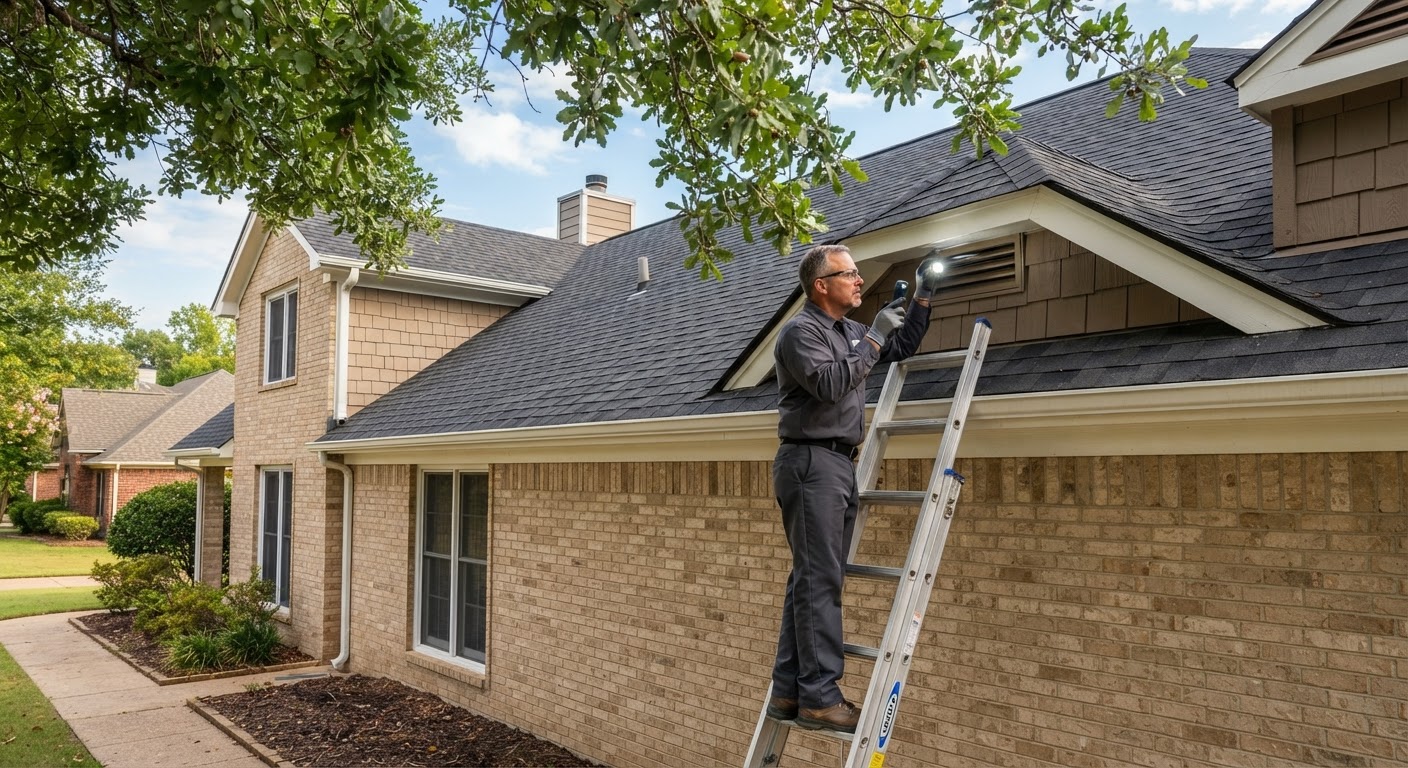
Few sounds are more unsettling than hearing distinct, rhythmic scratching directly above your bed in the quiet hours of the night. For homeowners across Jackson, Mississippi, this phantom activity in the ceiling is rarely a product of imagination. In most cases, it points directly to an unwelcome guest: the roof rat.
Roof rats (Rattus rattus), sometimes known as black rats or ship rats, are agile climbers that thrive in our warm, humid climate and lush tree canopies. When external temperatures fluctuate, or when outdoor food sources become scarce, your attic offers an ideal sanctuary featuring dry shelter, warm insulation, and total isolation from ground predators. Understanding how to identify these intruders, assessing the risks they pose to your property, and learning how to address an active intrusion can keep your home safe from severe rodent damage.
How to Identify Roof Rats: Behavior and Appearance
Before taking action, it is essential to confirm whether you are dealing with roof rats, squirrels, mice, or another common wildlife species. While gray squirrels are active during daylight hours, roof rats are strictly nocturnal. If the scurrying, tapping, and gnawing noises only begin after sunset and peak just before dawn, roof rats are the primary suspects.
Physical Characteristics of Roof Rats
Roof rats differ noticeably from their heavier cousins, the Norway rat. Key visual characteristics include:
- Body Shape: Slender, streamlined bodies, typically measuring 6 to 8 inches in length from nose to rump.
- Tail Length: A scaly, hairless tail that is distinctly longer than the head and body combined, often adding another 7 to 10 inches.
- Head and Features: Pointed snouts, large protruding eyes, and prominent, nearly hairless ears that can easily be folded over the eyes.
- Coloration: Dark brown to charcoal gray, often with a slightly lighter gray or off-white belly.
Arboreal Nature
Unlike Norway rats, which prefer digging burrows and residing in basements, crawlspaces, or ground-level structures, roof rats are natural aerialists. They spend their lives elevated above the ground, traveling along utility lines, fence tops, and tree branches. When they approach a house, they almost always look for entry points near the roofline rather than the foundation.
Telltale Signs of an Attic Infestation
You do not need to come face-to-face with a rodent to confirm its presence. Roof rats leave distinct environmental evidence throughout an attic space:
1. Droppings Along Travel Paths
Roof rat droppings are about 0.5 inches long, dark, and feature distinctly pointed or tapered ends. You will typically find them clustered along rafters, ceiling joists, top plates of walls, and beneath air conditioning ductwork.
2. Dark Rub Marks (Sebum)
Rats have oily coats that carry dirt and sebum. Because they have poor eyesight, they rely on touch and muscle memory, running along the exact same beams, pipes, and rafter edges every night. Over time, these pathways develop noticeable, dark, greasy smudges where their fur repeatedly contacts wood, sheetrock, or siding.
3. Disturbed Insulation and Nesting Caches
Roof rats shred attic insulation—whether fiberglass batts, cellulose, or blown-in materials—to build soft, secluded nests. If you look across the attic floor, you may notice tunneling pathways through the insulation or localized hollows where materials have been gathered and compacted into nests.
4. Gnaw Marks on Wood, Plastic, and Wiring
A rodent's incisors never stop growing, requiring continuous chewing to keep them worn down. Roof rats will gnaw on almost anything they encounter, including roof decking, PVC plumbing stacks, wooden joists, and electrical wiring.
Why Jackson Homes Are Particularly Vulnerable
Neighborhoods throughout Jackson—especially established areas with mature live oaks, water oaks, loblolly pines, and pecan trees—provide an ideal environment for roof rats. The dense canopy allows rats to travel across entire city blocks without ever setting foot on the ground.
Furthermore, residential architectural styles in central Mississippi frequently feature architectural details that rodents can exploit if maintenance slips:
- Overhanging Tree Canopies: Branches touching the roof act as direct highways, bypassing ground barriers entirely.
- Soffit and Fascia Gaps: Jackson's summer humidity and seasonal storms can cause wooden fascia boards and soffit trim to swell, shift, or decay, creating dime-to-quarter-sized gaps that rats can squeeze through or enlarge.
- Ridge and Gable Vents: Standard plastic or thin mesh covers on attic vents often degrade over time or are easily chewed through by determined rodents.
- Abundant Seasonal Food: Fallen pecans, fig trees, bird feeders, and open outdoor compost heaps provide ample nutrition, sustaining large rodent populations in close proximity to residential roofs.
The Hazards of Ignoring Attic Rodents
Allowing roof rats to reside in your attic presents significant safety, financial, and health consequences. The risks extend far beyond minor noise disturbances:
- Electrical Fire Hazards: When rats strip the protective plastic coating off electrical wiring in the attic, bare copper wires are exposed. Arcing can ignite surrounding blown insulation or dry framing lumber, making rodents a leading, undetected cause of attic fires.
- Plumbing Leaks: Roof rats frequently chew on PEX and CPVC water supply lines running through attics or crawlspaces, leading to slow leaks, water damage, and mold growth inside ceilings.
- Health and Air Quality Risks: Rodent droppings and dried urine accumulate inside attic insulation. As your HVAC system pulls air or leaks pressure, airborne particles contaminated with pathogens such as Salmonella, leptospirosis, or allergens can circulate through living spaces.
Resolving a Roof Rat Intrusion: A Strategic Approach
Eliminating roof rats requires a methodical process. Throwing rodenticide randomly into an attic rarely solves the problem and frequently causes rodents to die inside inaccessible wall cavities, creating intolerable odor and fly issues.
1. Professional Inspection and Point-of-Entry Identification
A successful resolution begins by locating every opening larger than a half-inch. Technicians inspect roof valleys, chimney flashings, gable vents, eave transitions, and plumbing penetrations to map out every current and potential entry point.
2. Structural Exclusion
The only permanent way to keep roof rats out is physical exclusion. Gaps must be sealed using rodent-proof materials such as heavy-gauge galvanized steel hardware cloth (1/4-inch), sheet metal flashing, and specialized sealants. Expanding spray foam alone is insufficient, as rodents can chew through it within minutes.
3. Targeted Trapping
Once the structure is completely sealed, mechanical trapping inside the attic removes the trapped population quickly and humanely. Traps are strategically placed along active runways, top plates, and near nest sites to ensure prompt capture.
4. Exterior Habitat Management
Homeowners should trim all tree branches back at least six to eight feet from the roofline. Keep gutters clear of leaves, secure trash receptacles with tight lids, and remove fallen nuts and fruit from the yard promptly to discourage rodents from gathering near your foundation.
Protect Your Jackson Home from Roof Rats
If nighttime scratching or scurrying sounds are keeping you awake, do not wait for the problem to escalate into damaged wiring or contaminated insulation. Prairie Lynx Pest Control provides thorough inspections, structural exclusion, and targeted rodent control services designed to protect your home. Contact our Jackson, MS team today to schedule an inspection and restore quiet safety to your attic.
Need help from Prairie Lynx Pest Control?
Contact our team to discuss your service needs in Jackson and surrounding service areas.