How Jackson's Yazoo Clay and Foundation Moisture Attract Subterranean Termites
Jackson homeowners face a unique combination of Yazoo clay soil and high humidity. Learn how shifting ground and trapped foundation moisture create an ideal environment for subterranean termites.
The Geological Challenge Beneath Jackson Homes
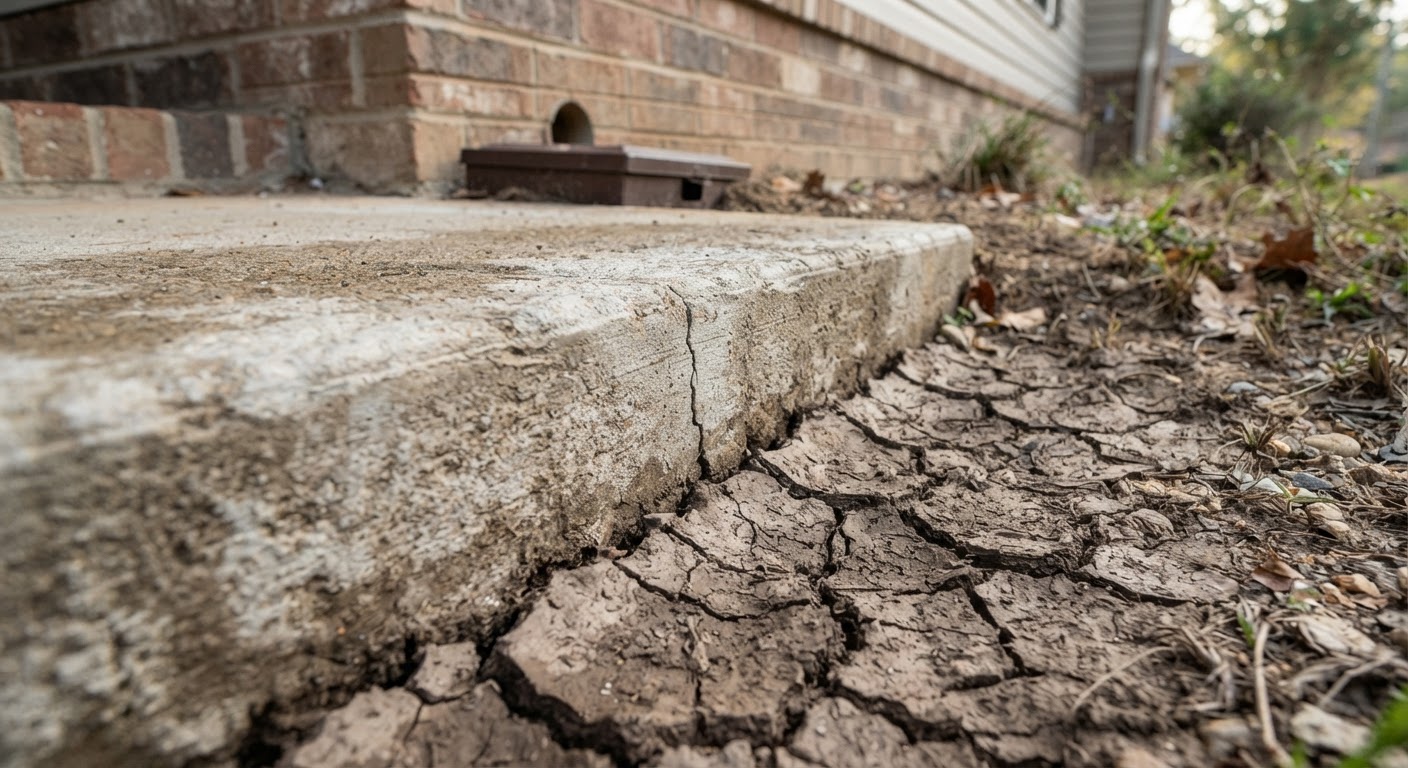
Homeowners throughout Jackson, Mississippi, quickly become familiar with the name Yazoo clay. This dense, highly expansive marine clay lies beneath vast portions of central Mississippi, presenting a constant engineering and maintenance challenge for residential properties. Yazoo clay expands dramatically when saturated with rainfall and shrinks significantly during dry summer stretches. This persistent shrink-swell cycle exerts tremendous pressure on foundations, leading to uneven settling, structural shifting, and unpreventable stress cracks.
While structural instability is often the primary concern associated with Yazoo clay, an equally destructive secondary threat exists just beneath the surface: subterranean termites. The physical changes this clay triggers in your soil and foundation, combined with its tendency to trap subsurface water, create the ideal ecological conditions for subterranean termite colonies to thrive and enter your home unnoticed.
How Yazoo Clay Drives Foundation Cracking and Plumbing Strain
Subterranean termites require continuous access to soil moisture to survive. Because their bodies dry out rapidly when exposed to open air, they travel within damp soil or build protective mud shelter tubes across exposed surfaces. In ideal conditions, a solid concrete foundation acts as a physical barrier that forces termites to build visible mud tubes along the exterior perimeter if they wish to reach structural framing.
In the Jackson area, Yazoo clay often compromises that barrier. When the soil undergoes extreme shifts, several structural issues arise:
- Hairline and Expanding Slab Fractures: A subterranean termite needs a gap of only about 1/32 of an inch—roughly the thickness of a business card—to pass through concrete. As slabs crack under soil pressure, termites gain direct, hidden access from the earth into wall cavities and subflooring.
- Crawl Space Foundation Movement: In homes with crawl spaces, shifting pier-and-beam supports can tilt or crack foundation walls. This movement creates pathways between the damp dirt crawl space floor and the structural sills above.
- Sub-Slab Plumbing Leaks: Soil expansion and contraction can bend, pull, or fracture plumbing pipes beneath slabs. Even a small, slow leak will saturate the surrounding soil, keeping the clay wet and creating a localized pocket of constant moisture that attracts foraging termite colonies.
The Role of Trapped Moisture in Termite Colony Health
Subterranean termites, including both native Eastern subterranean species and invasive Formosan termites found in Mississippi, do not target dry wood when starting an infestation. They target wood that is either damp or located directly adjacent to a continuous moisture reservoir. Jackson's climate provides plenty of humidity and heavy seasonal rainfall, but Yazoo clay alters how that water behaves around your home.
Unlike sandy or loamy soils that allow water to drain freely downward, Yazoo clay has extremely low permeability. When water accumulates near the base of a home from roof runoff, misdirected downspouts, or inadequate grading, the clay holds that moisture directly against footings and foundation walls for weeks. When the clay dries, it develops deep vertical fissures. Subsequent rains channel water deep into these cracks, establishing hidden damp pockets adjacent to foundation walls.
This trapped moisture creates an ideal microclimate for subterranean termites. It shields them from dehydration, softens adjacent wood framing, and encourages the growth of wood-decay fungi, which breaks down cellulose and makes structural lumber significantly easier for termites to consume.
Points of Vulnerability in Jackson Residential Construction
Because of local soil dynamics, homes in Jackson are vulnerable to subterranean termite entry in ways that standard visual inspections might miss if the inspector does not account for soil conditions. Understanding where moisture and clay intersect helps homeowners monitor key risk zones:
Expansion Joints and Cold Pores
Many homes built on expansive clay incorporate specific expansion joints or have multiple concrete pours (such as where an addition, patio, or garage slab meets the main living area). As the soil moves, these joints flex and widen. Soil moisture works its way up through the seam, followed quickly by subterranean termite workers following the moisture gradient.
Crawl Space Floor Humidity
Unencapsulated crawl spaces built over Yazoo clay frequently suffer from extreme humidity swings. In wet seasons, groundwater can pool or keep the ground permanently damp. High relative humidity in the crawl space causes subflooring, joists, and sill plates to absorb ambient moisture, creating an inviting target for termites emerging from the soil beneath the house.
Stucco, Siding, and Grade Contact
Soil shifting often causes exterior ground levels to change over time, sometimes burying the bottom edge of brick veneer weep holes, exterior stucco, or wood siding. When moist clay makes direct contact with siding, termites can bypass concrete footings entirely and travel directly from the damp soil into exterior wall framing without ever building an exposed mud tube.
Warning Signs of Subterranean Termite Activity
Given the hidden nature of subterranean termite damage in areas with heavy clay soils, homeowners must watch for subtle behavioral and structural signs throughout the year:
- Mud Tubes: Pencil-thick tunnels made of soil, saliva, and wood particles running along foundation walls, piers, or floor joists.
- Swarmers and Discarded Wings: During spring and early summer, reproductive termites take flight to establish new colonies. Finding shed wings on interior windowsills or near exterior light fixtures indicates a mature colony nearby.
- Spongy or Blistered Flooring: Slabs cracked by soil movement can introduce moisture and termites directly to hardwood or laminate flooring, causing boards to buckle or feel soft underfoot.
- Hollow-Sounding Timber: Termites feed on wood from the inside out, following the grain. Tapping suspect baseboards or trim with the handle of a screwdriver may produce a hollow, papery sound.
- Drywall Pinholes: Subterranean termites that reach wallboard will consume the paper backing, sometimes leaving tiny pinholes sealed with specks of dried mud on painted surfaces.
Protecting Your Property Against Soil-Driven Infestations
Managing the intersection of Yazoo clay, moisture, and subterranean termites requires a combined approach that addresses both water management and pest exclusion:
- Optimize Surface Drainage: Ensure soil slopes gently away from the foundation on all sides. Downspouts should extend at least five to six feet away from the home so water does not pool in foundation clay.
- Monitor and Repair Plumbing: Regularly inspect under-sink fixtures, crawl spaces, and exterior hose bibs for slow drips that keep adjacent soil saturated.
- Maintain Clearance: Keep mulch, soil, and landscaping vegetation at least six inches below the bottom edge of siding and away from weep holes to prevent direct subterranean bridges.
- Schedule Professional Termite Inspections: Because Yazoo clay creates subterranean gaps that cannot be seen from the surface, regular professional monitoring is essential to catch activity before structural damage occurs.
Living on Yazoo clay requires Jackson homeowners to remain alert to the structural and moisture shifts occurring beneath their properties. By addressing moisture retention and maintaining targeted subterranean termite defenses, you can safeguard your home against the hidden structural threats beneath your foundation.
Get Dependable Termite Protection in Jackson
If you suspect foundation shifting or high moisture levels are putting your home at risk for subterranean termites, the team at Prairie Lynx Pest Control is ready to assist. Contact Prairie Lynx Pest Control today to schedule a thorough, professional termite inspection and protect your property with a tailored defense plan designed for Jackson homes.
Need help from Prairie Lynx Pest Control?
Contact our team to discuss your service needs in Jackson and surrounding service areas.